 Skip to Content

Ohio Probation Law: A Complete Guide
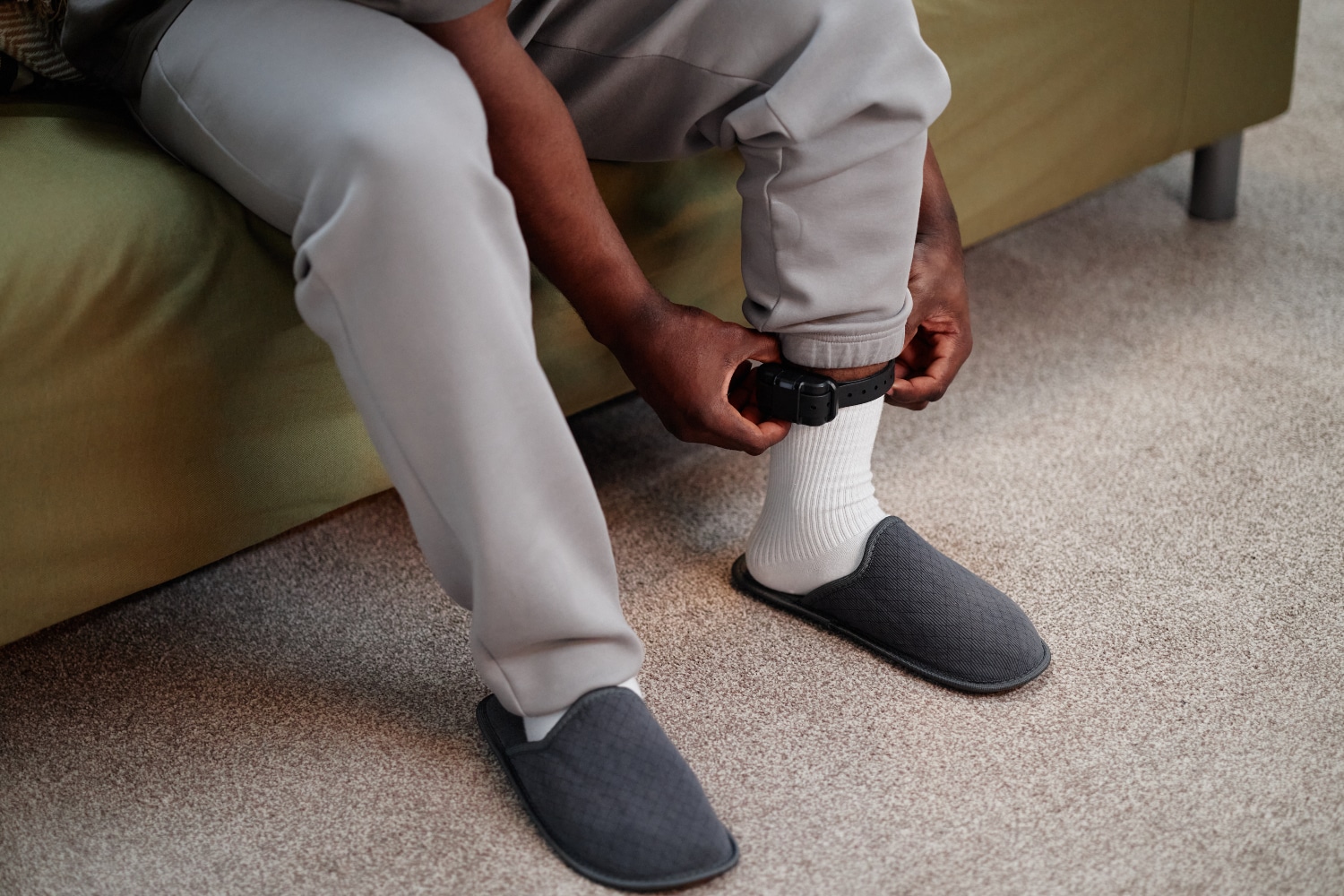
Probation can seem like a second chance, allowing individuals to live outside prison walls while under supervision and with established boundaries. But in Ohio, probation is no free pass: strict rules, oversight, and severe consequences await those who violate its terms.
This guide breaks down the State of Ohio’s probation laws, explains how probation works, outlines the eligibility requirements for various offenses, details your rights, describes what happens if you violate the terms, and provides guidance on how to defend yourself. Whether you’re facing probation or just want to understand the process, here’s the clarity you deserve.
What Is Probation? Ohio’s “Community Control”
In Ohio, probation is often referred to as “community control sanctions.” It allows offenders to serve their sentence outside of incarceration while under supervision and subject to specific rules.
Probation is part of the criminal justice process; it’s adjudicated in Ohio probation courts, not civil ones. The goal is rehabilitation and reintegration, not punishment. Offenders must comply with a list of conditions set by the court and report regularly to their probation officer. Failing to do so can lead to serious consequences.
Who Is Eligible for Probation?
- Misdemeanor offenders often receive probation instead of jail, unless aggravating circumstances exist.
- Felony offenders may receive probation/community control when prison is not mandatory under the law.
During probation, you must adhere to the court’s conditions and cooperate with your probation officer.
Common Conditions of Ohio’s Probation
When you’re on probation, you’re free, but not unrestricted. Below are frequent conditions Ohio courts impose:
- Report to your probation officer as scheduled (e.g., weekly, monthly).
- Obey all laws — no new arrests.
- Live in a court-approved residence, and notify if your address changes.
- Seek or maintain employment, or volunteer if unemployed.
- Abstain from drugs and alcohol, submit to testing.
- No weapons or firearms possession.
- Allow searches by probation officers under defined circumstances.
Violation of these conditions, even minor ones (“technical violations”), can trigger serious consequences under Ohio probation laws.
Types of Probation in Ohio
Ohio courts may impose different forms of probation/community control:
- Reporting probation – Regular meetings with a probation officer.
- Non-reporting probation – Typically for low-risk offenders, with fewer requirements.
- Intensive supervision – High-risk cases with stricter monitoring.
- Specialized probation – Focused on issues like substance abuse or mental health.
Understanding your probation type is key to staying compliant.
Probation Violation 1st Offense in Ohio: What it Means for You
One slip doesn’t always mean the end, but Ohio probation law has strict rules around violations.
- Technical violations: Failing to report, missing a meeting, or violating a non-law condition (e.g., curfew, drug test). You might avoid jail if mitigating factors exist.
- Criminal violations: Committing a new offense while on probation. Judges take these far more seriously.
For a 1st offense probation violation in Ohio, courts often weigh the nature of the violation, your record, and your rehab efforts. Some may issue warnings or modify terms instead of revoking probation. However, for felony probation, under ORC § 2929.15(B), the court may reimpose any prison sentence originally available for that offense if probation is revoked.
If the violation is for a misdemeanor, under ORC § 2929.25, revocation can lead to jail time up to the original maximum for that offense. It’s critical to act quickly: Ohio does not expire probation violation warrants; they remain active until resolved.
Probation Violation Hearings: How the Process Works
When a violation is alleged, here’s what typically happens in Ohio probation court:
- Arrest or allegation: You are taken into custody or charged with violating the terms of your probation.
- Probable cause hearing: The judge determines whether there’s enough basis to hold a full revocation hearing.
- Revocation hearing: You can present evidence, cross-examine witnesses, and argue why probation should continue.
Court’s options:
- Continue probation, possibly with stricter terms.
- Modify conditions or extend probation.
- Revoke probation and send you to jail/prison.
- Impose the original sentence or a portion thereof.
Many cases settle before a hearing with plea deals or negotiated conditions. Having an attorney early is crucial.
How Long Is Probation in Ohio?
The duration depends on the underlying offense:
- Misdemeanor probation in most jurisdictions runs 1 to 5 years.
- Felony probation / community control for non-incarcerated sentences may last a maximum of 2 to 5 years.
- Under ORC, community control sanctions in felony cases cannot exceed five years.
Under State of Ohio probation laws, community control sanctions in felony cases cannot exceed five years. Count all time in supervision, plus extensions if your case is paused (e.g., custody time) before eligibility for exit.
Rights of Probationers in Ohio
While probation restricts freedom, you retain rights. That includes:
- Due process: You are entitled to a hearing before revocation.
- Right to counsel: You may be represented by an attorney in violation matters.
- Cross-examination: Witnesses criticizing your compliance may face cross-examination.
- No jury trial: Revocation hearings are typically civil in nature, often conducted under a preponderance of the evidence standard. Hearsay may be allowed.
- Challenge evidence: You may present affirmative defenses, explain missteps, or show compliance efforts.
Mitigating a Violation & Best Defense Strategies
- Immediate counsel: Contact an experienced Ohio criminal defense attorney.
- Show compliance: Evidence of work, rehab, community service, or sobriety helps.
- Challenge legitimacy: Question whether the alleged violation was lawful or properly monitored.
- Negotiate alternative sanctions: Instead of revocation, request stricter terms or an extension of the current terms.
- Avoid future missteps: Stay on schedule, maintain communication with your PO, and document compliance.
If you believe the court misapplied the law or violated procedural safeguards during your hearing, you may have the right to appeal the decision.
Consequences of Violating Probation
Violations may lead to:
- Stricter terms or longer probation.
- Short-term jail stays.
- Full revocation and prison for felonies.
Judges often weigh whether you show progress, similar to how courts weigh compliance in the Ohio probation process, where deadlines and requirements must also be met.
7 FAQs About Ohio Probation Law
1. Can I be jailed for missing a meeting with my probation officer?
Yes. Even minor “technical violations” like missed check-ins can trigger revocation depending on your judge and case history.
2. What’s the penalty for a first-time felony probation violation?
Under ORC § 2929.15, the judge may impose any prison term available at original sentencing, even many years later.
3. Do probation violation warrants expire?
No — Ohio law treats them as alive until resolved.
4. If my violation was minor, can probation be continued instead of revoked?
Courts often prefer modifying terms or extending probation over revocation for technical or minor first violations.
5. Can a probation officer search me or my home without a warrant?
Yes, under Ohio law, when reasonable cause exists or you’ve consented as a condition of supervision.
6. How long does probation last in Ohio?
For misdemeanors, typically 1–5 years; for felonies, up to 5 years under community control sanctions.
7. How to avoid probation in Ohio?
Working with a defense attorney early, negotiating plea deals that reduce charges, or showing rehabilitation before sentencing are among the best ways to avoid probation in Ohio.
Closing Thoughts & Legal Action
Probation is a second chance, but it comes with strict terms and close oversight. In Ohio, violating those terms, even with a first offense, can land you in court, back behind bars, or saddled with tougher conditions.
If you’re being accused of a probation violation or need to protect your rights during supervision, don’t wait. Get legal counsel immediately to navigate hearings, mitigate penalties, and fight for the best outcome.
Your future shouldn’t hinge on a missed meeting or misstep. Contact our experienced attorneys in Columbus, Ohio, to help defend your freedom.